GTA Advance: Digital Eclipse’s own Liberty City
How an original Game Boy Advance GTA combined the classic viewpoint with expectations shaped by GTA III.
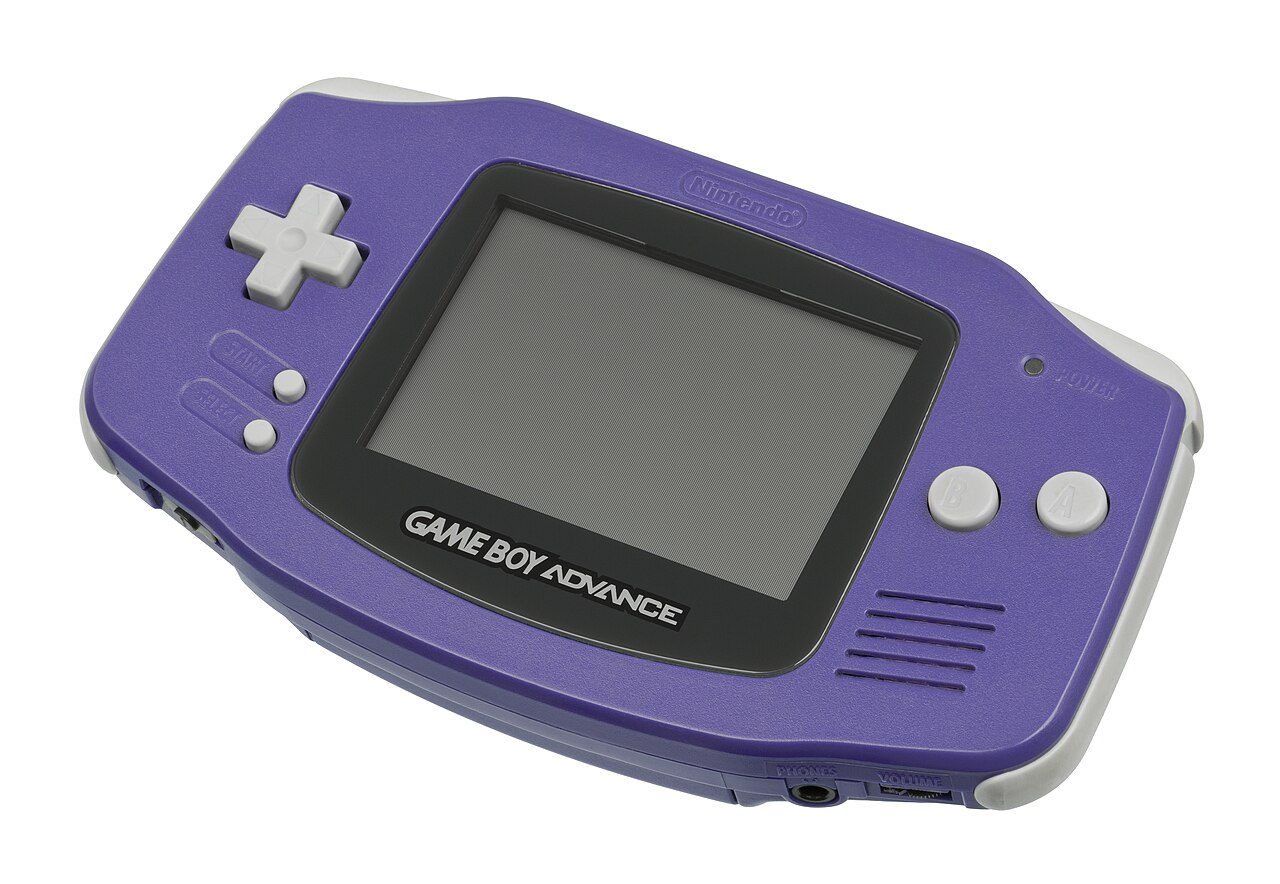
An Indigo Game Boy Advance: the hardware for which Digital Eclipse developed the game.
Image version & licence
Official Wikimedia preview, copied without further image editing. The layout may display a crop. The stated photo licence is retained. Open image file
The handheld team at Digital Eclipse
Released in 2004, GTA Advance was developed by Digital Eclipse. Its credits identify Cathryn Mataga in programming, Mike Mika in creative leadership and James Stanley in writing and production. Rockstar has its own production credits, alongside acknowledgement of original content from Rockstar North. This does not make it a game developed entirely inside Rockstar North. Keeping these roles distinct matters: similar studio names and the close association with GTA III can otherwise obscure the work of the actual handheld development team.
A fresh start rather than inherited work
In interviews, participants describe restarting after unsuccessful attempts involving other studios. Mika and artist Dan Schallock reject the suggestion that Digital Eclipse simply inherited those projects’ code or artwork. The team also had to reconcile expectations of contemporary GTA with the Game Boy Advance. Mika describes the fixed elevated perspective and building presentation as compromises against attempting a fully three-dimensional city game. This is a documented technical decision, rather than an assumption made by looking at the limited hardware after the event.
A format between two GTA generations
A contemporary hands-on report describes the result as a combination of the overhead viewpoint and elements from the newer 3D games. Mike, Vinnie and an original Liberty City story provide its focus, while assignments include driving, deliveries and combat. Advance therefore does not convert the same missions from GTA III. Its familiar city and characters establish continuity while the handheld game arranges its own objectives. The preview status of this source matters: observations of an unfinished build do not automatically establish every detail of the released cartridge.
A city game that can be interrupted
The original manual also documents its handheld structure: three save slots, regular saving at the hideout and another saving option when quitting through the pause menu. Taxi and ambulance work, alongside street races, supplement the main assignments. This combination helps explain its format: beyond the story, Liberty City supports shorter activities and opportunities to interrupt play. Those rules belong to the original GBA edition. Running the cartridge software in an emulator does not turn it into a separately developed PC conversion.
Recommendations and interpretation are editorial. Information may change after the date shown above.