GTA history: the series, its games and their developers
How did Grand Theft Auto begin? Explore the history of the series and the making of each GTA, with studios, ideas and sources.
HOW YOUR GTA WAS MADE.
Studios, documented ideas and distinctive design decisions, with a separate development story for each game.
18 DEVELOPMENT HISTORIES
Grand Theft Auto
DMA Design
DMA Design, the 1995 proposal and the distinct development roles behind the first Grand Theft Auto.
Read the development story
GTA: London 1969
Rockstar Canada
The 1999 mission pack: Canadian development, British research and the limits of the original GTA.
Read the development storyGTA: London 1961
Rockstar Canada · attribution in release catalogue
What is documented about the second London expansion, and where its surviving development history remains incomplete.
Read the development story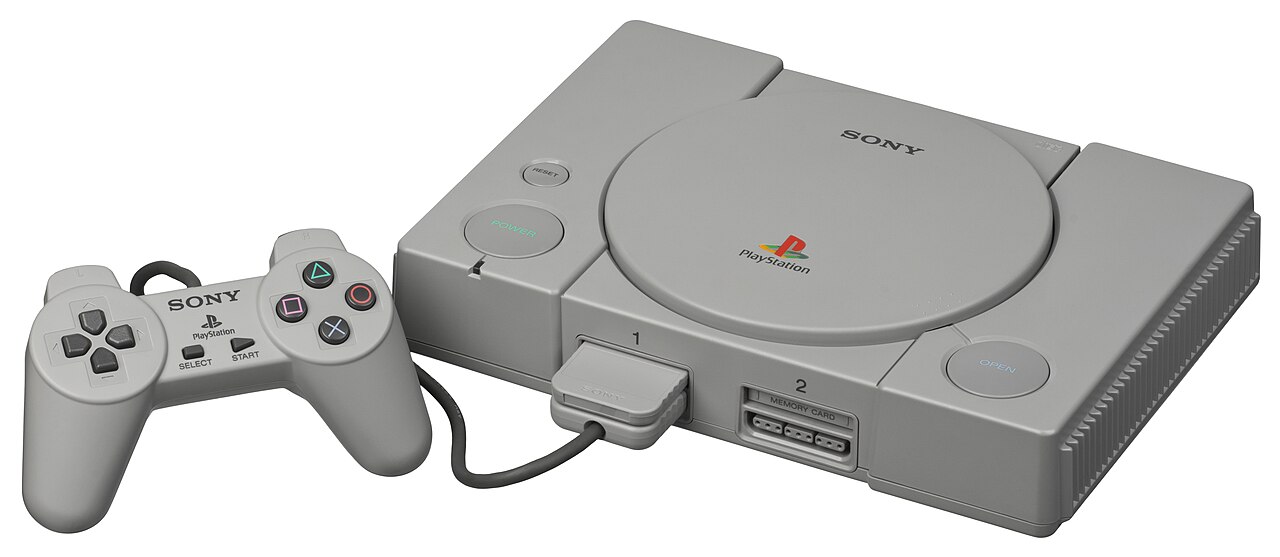
Grand Theft Auto 2
DMA Design
DMA Design’s second GTA combined a familiar city format with gang respect and a rebuilt technical foundation.
Read the development story
GTA III
DMA Design
DMA Design, the move into a 3D city, and documented changes before release.
Read the development story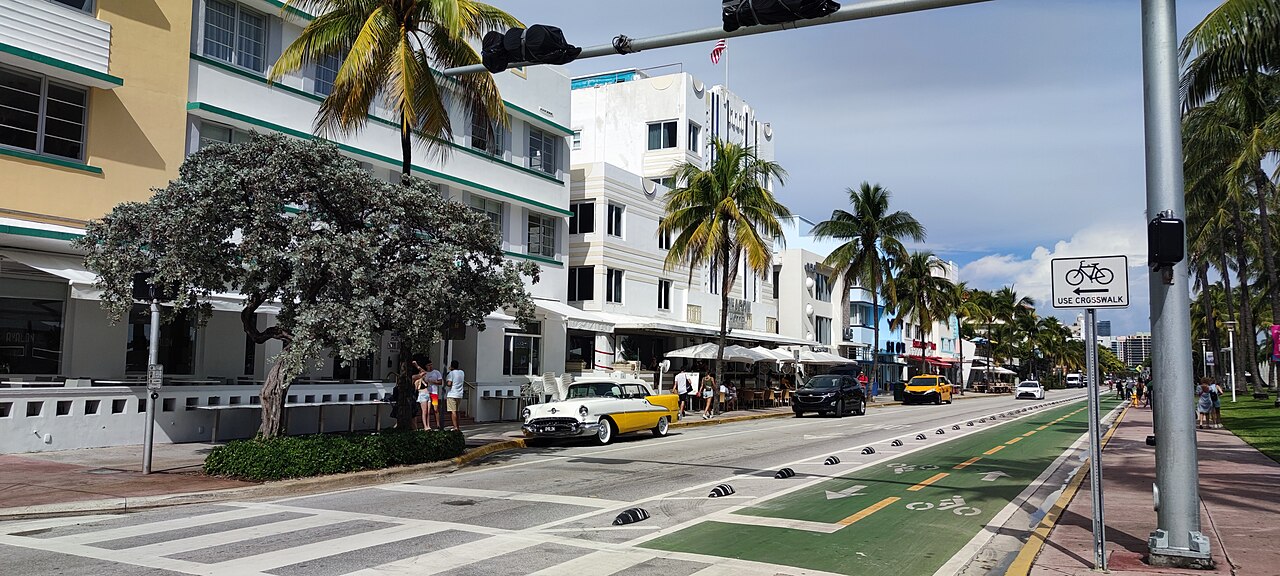
GTA Vice City
Rockstar North
The documented mission-pack origin, Rockstar North’s 1980s setting, and subsequent platform adaptations.
Read the development story
GTA San Andreas
Rockstar North
Rockstar North’s three cities, location research, and technical work on the world, scripting and player character.
Read the development story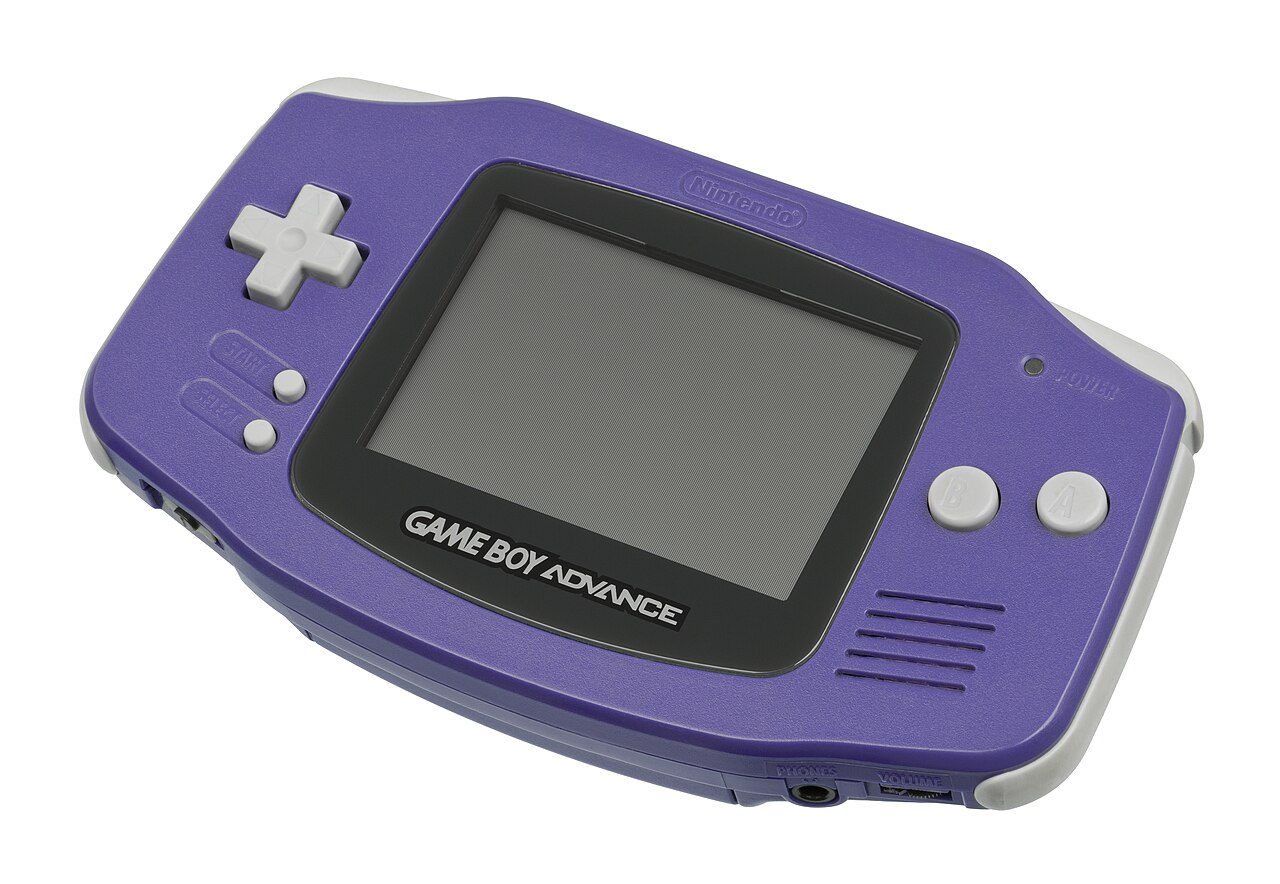
Grand Theft Auto Advance
Digital Eclipse
How an original Game Boy Advance GTA combined the classic viewpoint with expectations shaped by GTA III.
Read the development story
GTA Liberty City Stories
Rockstar Leeds / Rockstar North
Leeds and North, the deliberate portable mission rhythm, and PSP compression and data access.
Read the development storyGTA Vice City Stories
Rockstar Leeds / Rockstar North
Leeds and North’s second PSP design: broader missions, new engineering work, and the subsequent PS2 edition.
Read the development story
GTA IV
Rockstar North
Rockstar North’s generation change, Niko’s viewpoint and the PC edition’s distinct production history.
Read the development story
The Lost and Damned
Rockstar North
How Rockstar North used an episode to explore Johnny, The Lost and a different Liberty City viewpoint.
Read the development story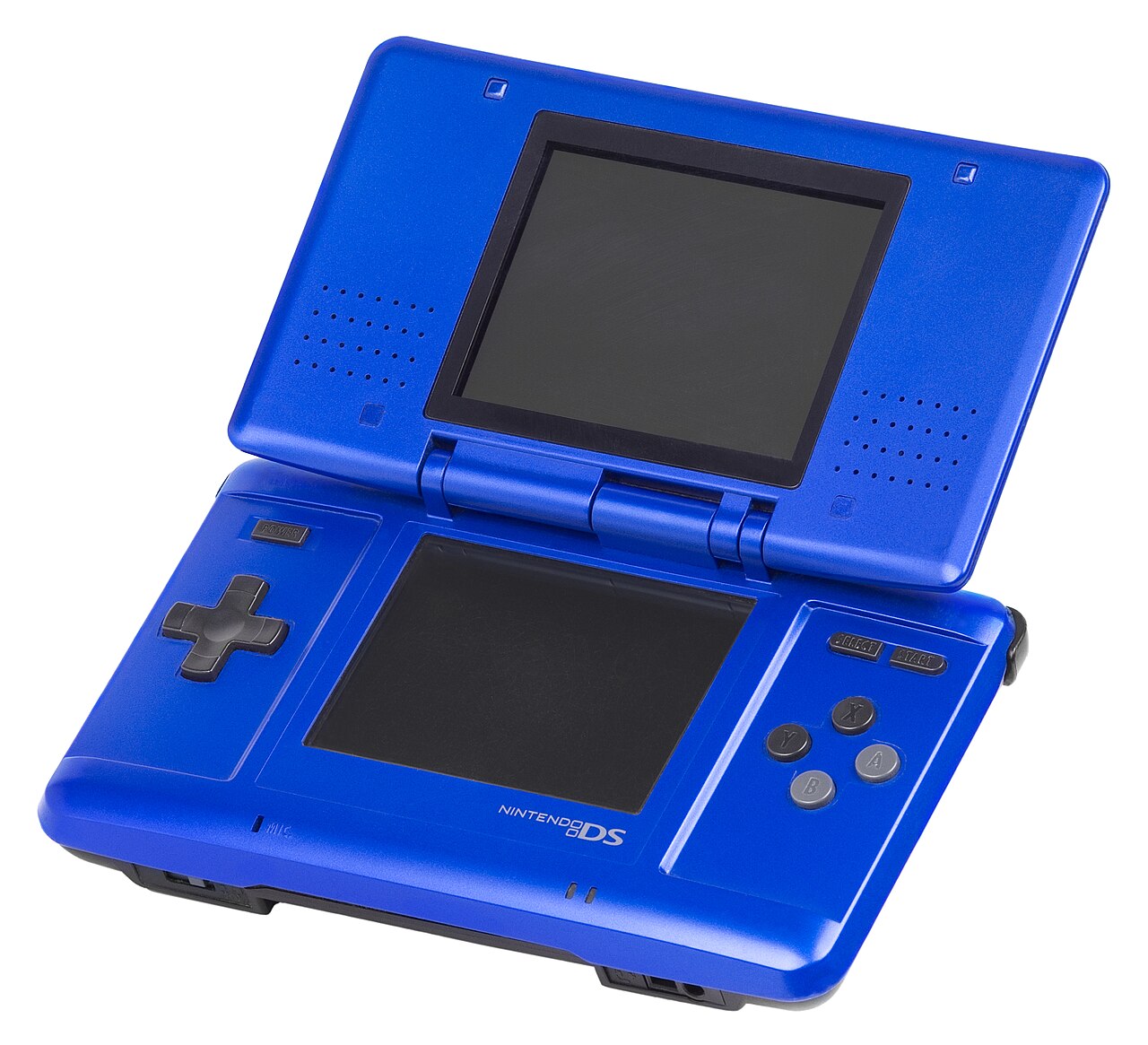
GTA: Chinatown Wars
Rockstar Leeds / Rockstar North
Rockstar Leeds created an original handheld GTA, with subsequent PSP and smartphone releases adapting the experience.
Read the development storyThe Ballad of Gay Tony
Rockstar North
Luis, nightlife and vertical action: the documented direction of the second GTA IV episode.
Read the development storyGTA V
Rockstar North
The setting decision, character switching and the distinction between the original and later editions.
Read the development storyGTA Online
Rockstar North / Rockstar Games
Rockstar’s initial online ambition, documented launch problems and historical platform boundaries.
Read the development story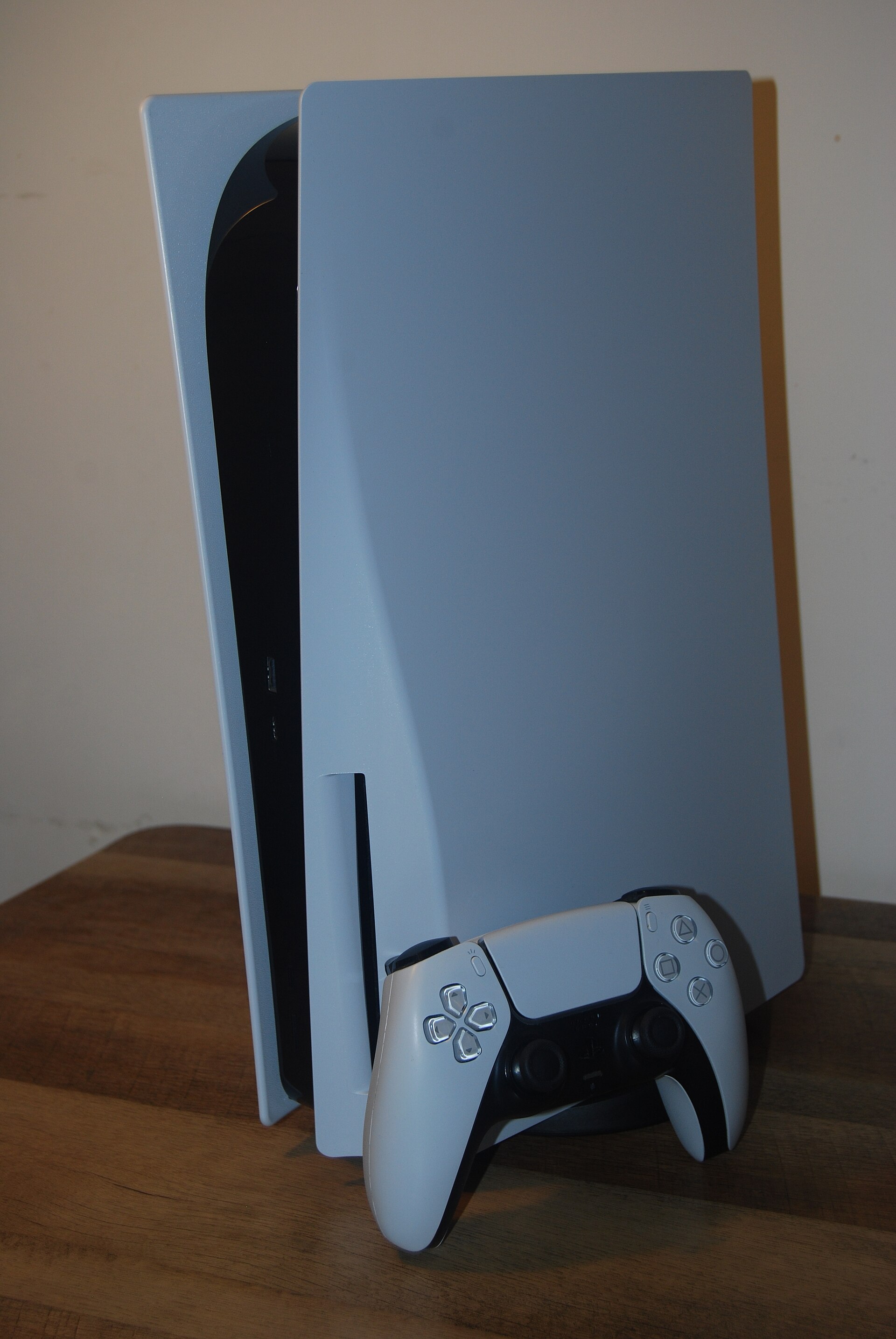
GTA: The Trilogy – The Definitive Edition
Grove Street Games
Separate the originals from Grove Street’s remaster, and place later lighting updates and Video Games Deluxe’s role in context.
Read the development storyGTA VI
Rockstar Games
Public development confirmation, announced design direction and edition status on 8 November 2026.
Read the development storyYears refer to original releases. * GTA VI: announced year, not yet released. Studio labels distinguish core development from partners discussed in the article; they are not complete credit lists.
Photographs show real locations and hardware. Article captions explain their relationship to each GTA. All photo credits ↗
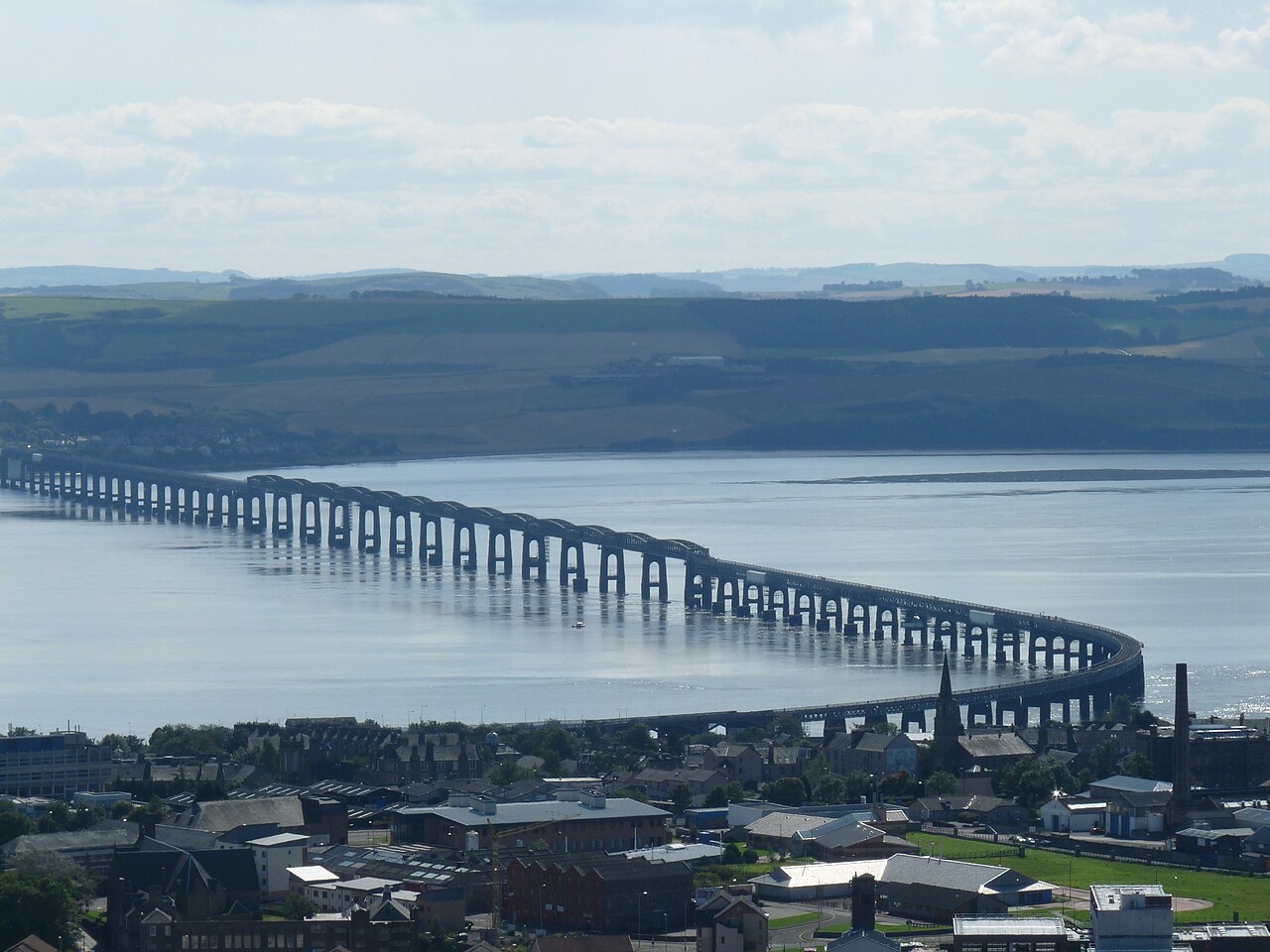
Dundee and the Tay, photographed from Dundee Law in 2011. DMA Design began in this Scottish city.
Image version & licence
Official Wikimedia preview, copied without further image editing. The layout may display a crop. The stated photo licence is retained. Open image file
The short answer: GTA began at DMA Design
The first Grand Theft Auto was developed by DMA Design in Dundee, Scotland, and released in 1997. BMG Interactive was its original European publisher. The Rockstar name belongs to a later chapter. Asking who invented GTA therefore means separating the development team, individual contributors and the business that published the game. A single name cannot explain how the whole project came together.
Dundee: the people before the Rockstar logo
DMA Design took shape around Dave Jones in the late 1980s. The team was already known for work including Lemmings before GTA. Mike Dailly worked on early GTA prototypes and graphics technology; his own work history dates the prototypes to 1994. That is a development date, not a release date. GTA’s journey therefore began with experiments well before the finished game reached shops in 1997.
| Person / organisation | Part in the story |
|---|---|
| DMA Design | Developer of the first GTA; the Scottish studio behind the original game. |
| Dave Jones | Studio founder; listed as producer in the early design document. |
| Mike Dailly | Early prototypes and graphics engine; records the groundwork as a participant. |
| The wider team | Programming, art, levels, writing, music and testing turned the technology into a game. |
| BMG Interactive | Original European publisher, a separate role from the development team. |
| Rockstar Games / Take-Two | The series’ later publishing and corporate history. |
In 1995 the project was still called Race’n’Chase
The surviving design document dated 22 March 1995 uses the working title Race’n’Chase. It proposes city driving, races, chases and criminal jobs, and discusses both police and criminal roles. GTA grew out of a concept that changed during development. This paper records intentions, rather than instructions for the released game. Not every platform or feature considered at that stage actually reached release.
1997: what made the first GTA work differently
The released GTA combines an overhead view with a city where you travel on foot, change vehicles and accept jobs. Telephone missions and a points system structure progression. Police, fire engines, ambulances and car radio are already part of the game, as described in the PC manual. Its freedom concerns both the objective and the route you take through the streets. That is our interpretation of this combination, rather than a claim that GTA invented every individual ingredient.
Where BMG, Take-Two and Rockstar fit in
In March 1998, Take-Two acquired rights including GTA from BMG. Rockstar Games was founded in 1998, a beginning Sam Houser recalls in the company’s 2023 anniversary message. Take-Two’s acquisition of the developer DMA followed in 1999. Owning a game’s rights and owning its developer are separate events. Rockstar Games is the label; Rockstar North is the development studio that grew out of DMA. Their similar names do not make them interchangeable.

Calton Square in Edinburgh, photographed in 2006: a former Rockstar North location.
Image version & licence
Image file copied unchanged; scaled or cropped for the layout. The stated photo licence is retained. Open image file
2001 and 2002: moving into the third dimension
GTA III arrived in 2001, taking the series into a three-dimensional city. You now move through Liberty City rather than viewing its streets mainly from above. Missions, driving and free exploration fit together in that space. Our interpretation: the crucial change is your relationship with the city. Buildings become landmarks at street level, and travelling itself becomes a more immediate spatial experience. In 2002, DMA took the Rockstar North name. The company register records a brief intermediate name, Rockstar Studios, before Rockstar North was registered on 30 May 2002. This legal entity’s incorporation date is not the founding date of the original DMA team.
The milestones on one timeline
These years refer to original releases or development and corporate milestones. They are not one continuous story chronology or a full list of ports. For regional launch dates and platforms, use the release archive.
| Year | Milestone | What it shows |
|---|---|---|
| 1994–1995 | Prototypes → Race’n’Chase | Technical experiments and a documented concept before release. |
| 1997 | Grand Theft Auto | DMA Design; overhead action in Liberty City, San Andreas and Vice City. |
| 1998–1999 | Rockstar, rights and the studio | Rockstar founded in 1998; Take-Two acquires DMA in 1999. GTA 2 releases in 1999. |
| 2001 | GTA III | The main series moves into a three-dimensional city. |
| 2002 | Vice City / Rockstar North | An eighties setting and the studio’s new Rockstar North name. |
| 2004 | San Andreas | CJ’s journey connects Los Santos, San Fierro and Las Venturas. |
| 2008 | GTA IV | A return to Liberty City with Niko Bellic. |
| 2013 | GTA V / GTA Online | GTA V launches on 17 September; GTA Online follows on 1 October. |
Why the settings matter so much
Vice City was released in 2002 but looks back to the eighties; San Andreas followed in 2004 and revisits the early nineties. GTA IV and GTA V set their own priorities again. Our reading is that a GTA city also establishes a tone, through radio, architecture, characters and the shift between mission tension and everyday journeys. This helps explain why a similar core idea can feel very different from game to game. Keep release year, story period and later re-release separate when exploring that history.
What is documented, and what is an origin legend?
In the Replay interview, Gary Penn cautiously recalls a police-AI bug. This is often reduced to a story that one bug alone invented GTA. Yet the early design document already includes chases and criminal jobs. Bugs and spontaneous ideas can matter without one accident explaining the entire team project. We check the milestones against original documents, publisher statements, a museum collection and the company register. Dailly’s work history and the interviews are individual participants’ retrospectives, not a complete credit list. Judgements about the games’ effect are explicitly our editorial interpretation.
Recommendations and interpretation are editorial. Information may change after the date shown above.