GTA 2: new technology beneath the overhead view
DMA Design’s second GTA combined a familiar city format with gang respect and a rebuilt technical foundation.
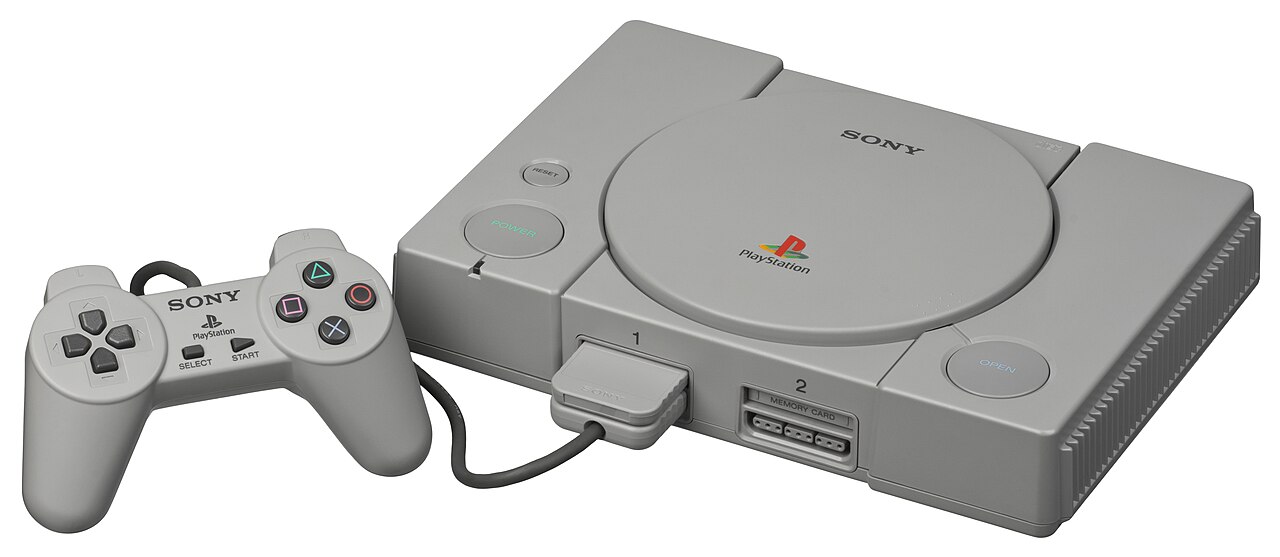
GTA 2 first appeared on PC and PlayStation. The photograph shows an SCPH-1000 model from that console family.
Image version & licence
Official Wikimedia preview, copied without further image editing. The layout may display a crop. The stated photo licence is retained. Open image file
Developed by DMA, published by Rockstar
GTA 2 was developed by DMA Design and released under the Rockstar label in 1999. That differs from a project originally produced under the subsequent Rockstar North studio name. Take-Two’s annual report lists the PC and PlayStation releases in October 1999. The contemporary company name belongs in its history even when modern retrospectives use the later Rockstar attribution. Developer and publishing label describe different responsibilities. Treating them as interchangeable would conceal an important part of how the sequel reached players.
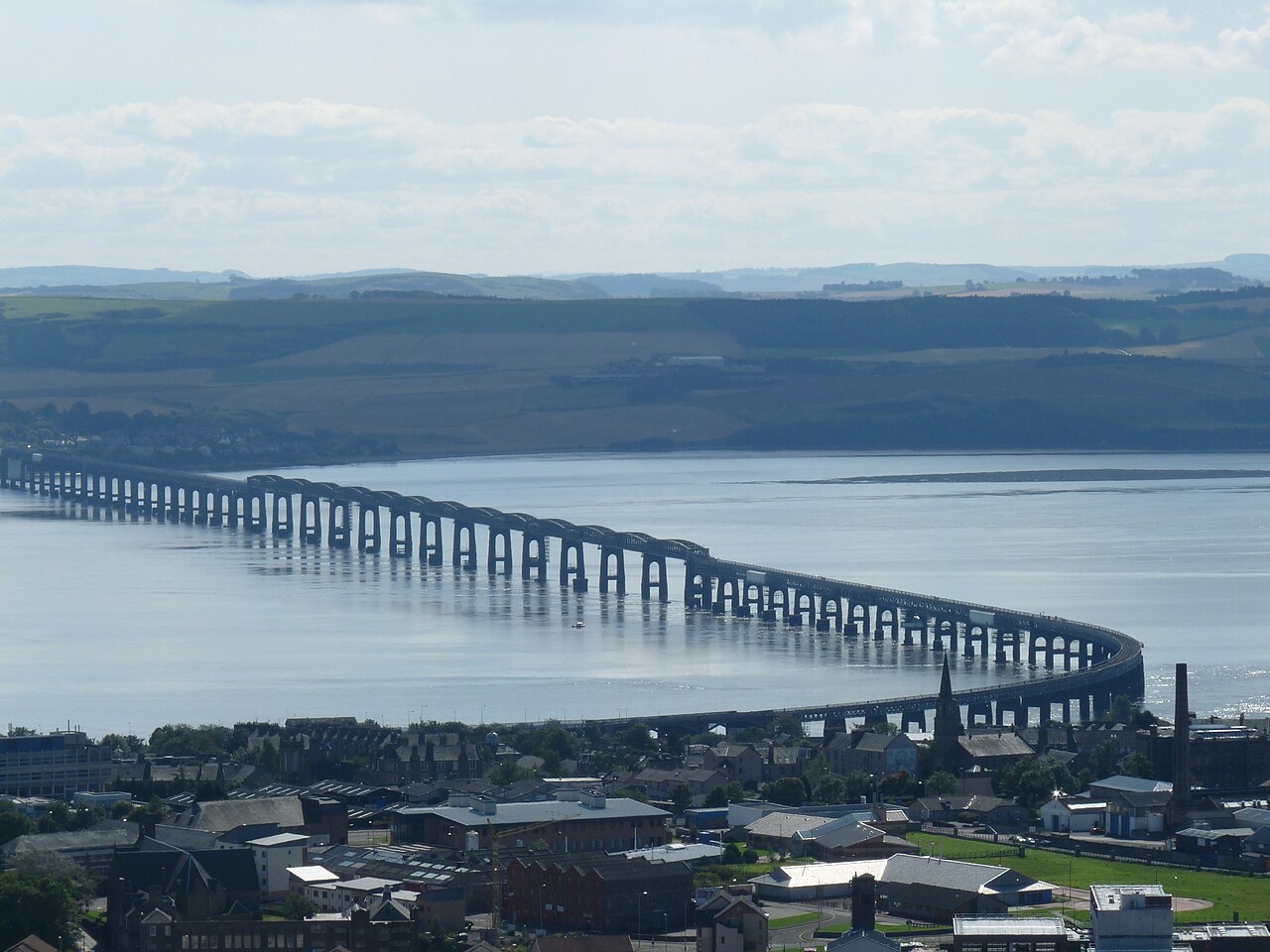
Dundee and the Tay, photographed from Dundee Law in 2011. DMA Design began in this Scottish city.
Image version & licence
Official Wikimedia preview, copied without further image editing. The layout may display a crop. The stated photo licence is retained. Open image file
Familiar play on a rewritten foundation
Producer Colin Macdonald retrospectively describes preserving the familiar appeal while completely rewriting the engine. Vehicles were intended to feel more substantial. A similar camera position therefore does not mean the sequel simply reused the first game. The city was still supposed to offer room for players’ decisions while its technical foundations were rebuilt. From this development perspective, the new beginning was less apparent in a screenshot than in the behaviour of vehicles and the way the city’s different systems interacted during play.
Respect turns the city into a conflict system
The PC manual foregrounds gang respect: helping one group or attacking its enemies changes the assignments and hostility players encounter. Three city districts provide different settings for that system. Unstructured disorder consequently gains another consequence because actions feed back into relationships with employers. That is an important distinction from simply collecting more telephone missions. The documented Windows release also requires Direct3D. Its technical requirements describe that edition; they cannot automatically be assigned to versions produced for different hardware or later distribution.
Chase footage and a busier city
A preserved pre-release developer interview explains the overhead perspective by reference to police-helicopter footage of pursuits. Technical changes were also intended to make the city feel busier: pedestrians, car thieves and drivers of different vehicles received their own behaviours. Lighting and explosion effects complemented that approach. The ambition was therefore more than a larger collection of assignments. It was a city where several participants act simultaneously, retaining the character of the old viewpoint while placing a denser system of conflicts beneath it.
Recommendations and interpretation are editorial. Information may change after the date shown above.